Biblia Sacra Vulgatae Editionis
Biblia Sacra Vulgatae Editionis
by Selma Shala & Emeline Ignerski
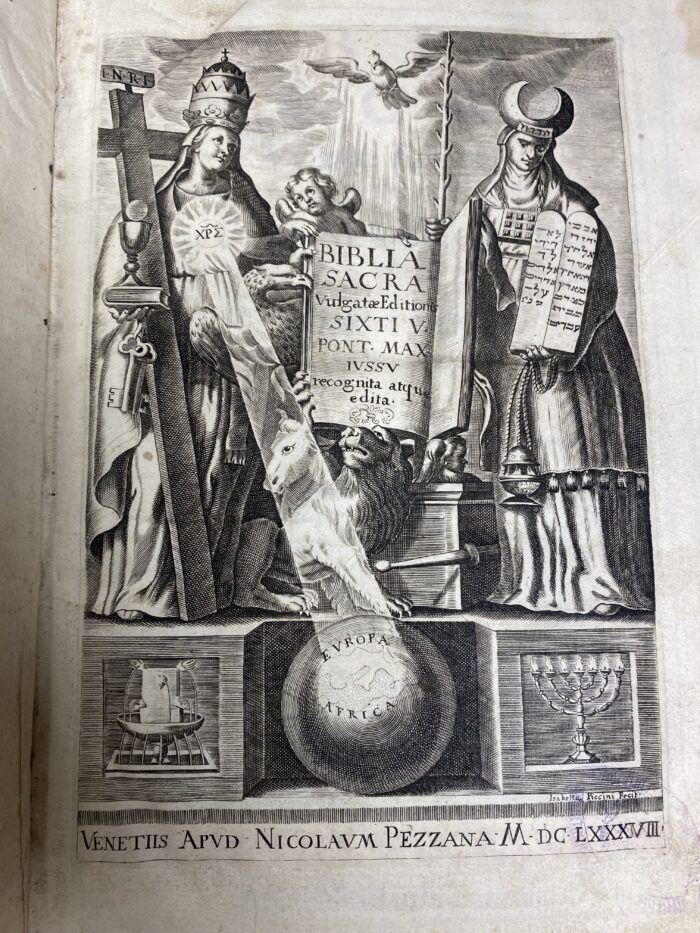
| Title | Biblia Sacra Vulgatae Editionis Sixti V. Pontificis Max. Iussu Recognita, et Clementis VIII. Autoritate Edita, Versiculis Distincta, Et ad singula Capita Argumentis aucta, Indiceque Epistolarum, Euangeliorom locupletata. |
| Contributor | Nicolaum Pezzana (printer) |
| Date | 1688 |
| Place | Venice, Italy |
| Language | Latin | Location | Bibliothèque Grammont, centre diocésain de Besançon |
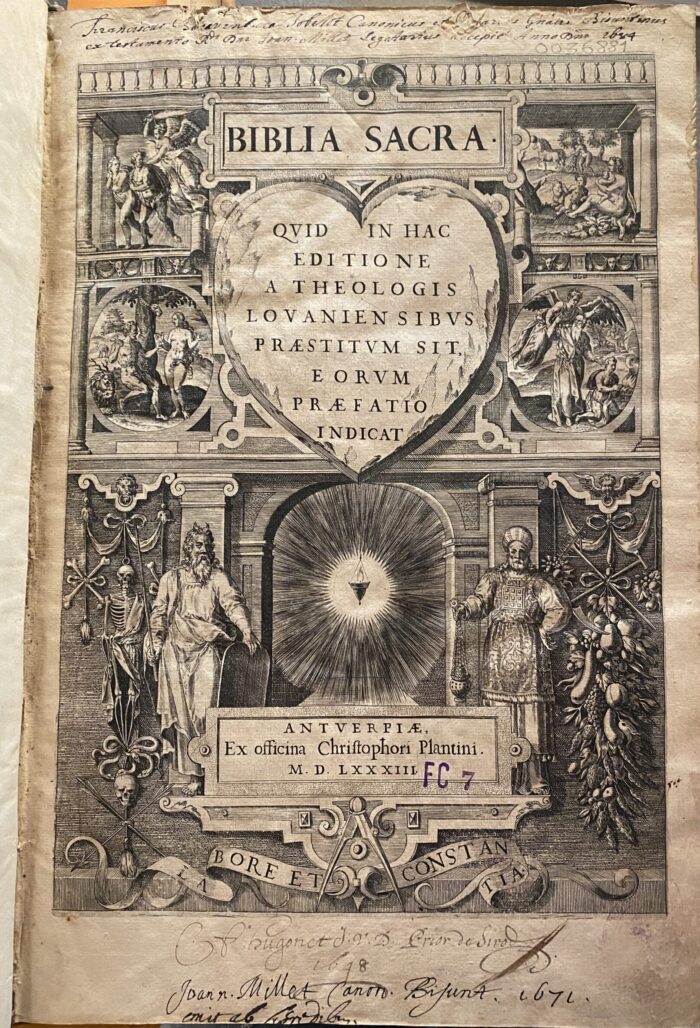
| Title | Biblia Sacra. Quid in Hac Editione a Theologis Lovvaniensibus Praestitum sit. Eorum Praefatio Indicat. |
| Contributor | Christophori Plantini (printer) |
| Date | 1583 |
| Place | Antwerp |
| Language | Latin | Location | Bibliothèque Grammont, centre diocésain de Besançon |
Context
Chapter 10 of Revelation is particularly interesting for its rich symbolism and the pivotal moment it represents in the narrative. It introduces a mighty angel who brings a small scroll (or ‘book’), symbolising the revelation of divine truths. John’s act of eating the book, which is sweet in his mouth but bitter in his stomach, serves as a powerful metaphor for the dual nature of prophecy—it brings joy and hope but also carries difficult truths about judgment and suffering. Additionally, the mysterious “seven thunders” that John is instructed not to write down adds an element of divine mystery, emphasising that not all of God’s plans are revealed to humanity.
Printers : “Pezzana and Plantin”
Nicolò Pezzana (active 1654–1754) was a prominent Venetian publisher and printer, and also a key figure in one of Venice’s most influential publishing dynasties. The Pezzana family name became a hallmark of Venetian publishing during the final decades of the 17th century and the first half of the 18th century. Despite the competitive and richly diverse publishing scene in Venice at the time, Pezzana’s press remained devoted primarily to the printing of theological and ecclesiastical literature, reflecting the broader Catholic Counter-Reformation trends that emphasized religious orthodoxy. Pezzana’s works often emphasized Catholic doctrine, and his enduring focus on theological literature ensured his role as a key player in Venice’s Counter-Reformation efforts. His press contributed significantly to maintaining religious authority through print, both within Venice and across Catholic Europe.
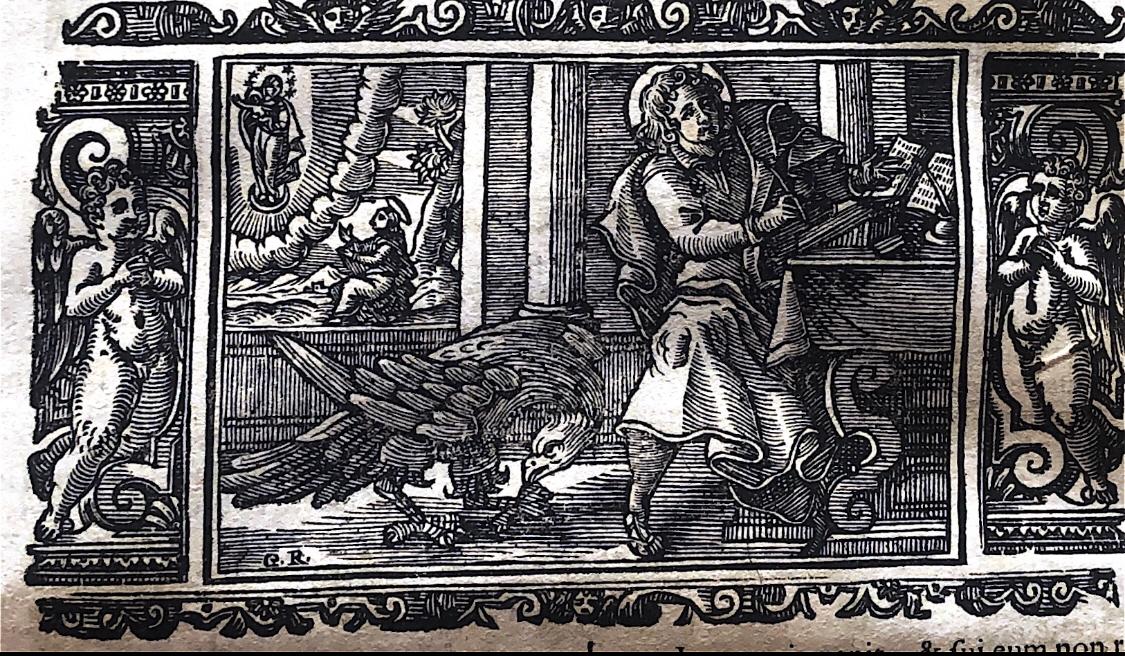
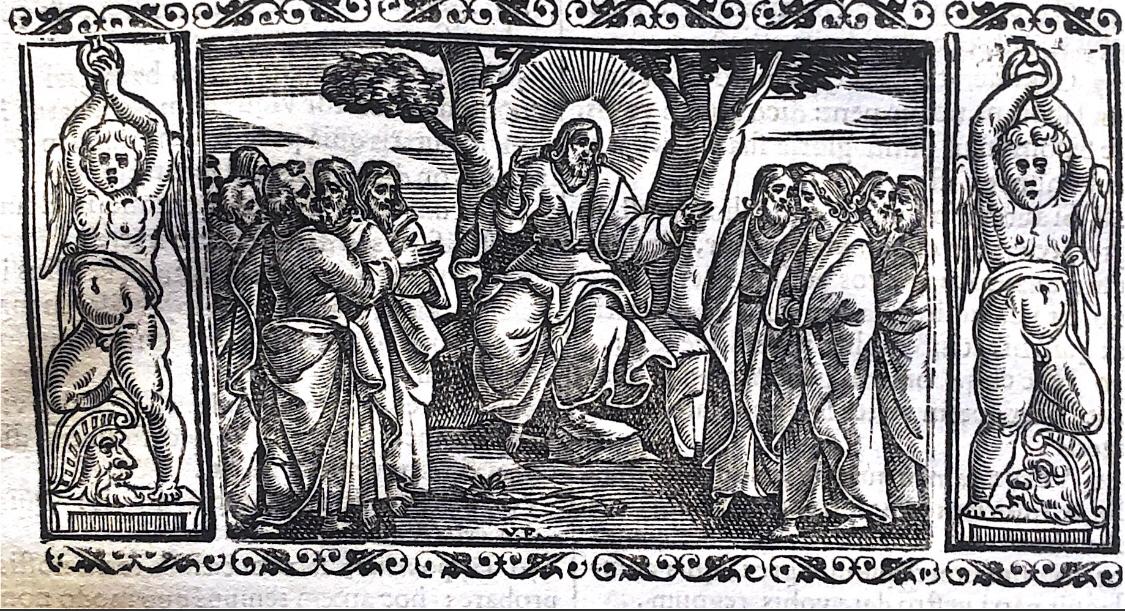
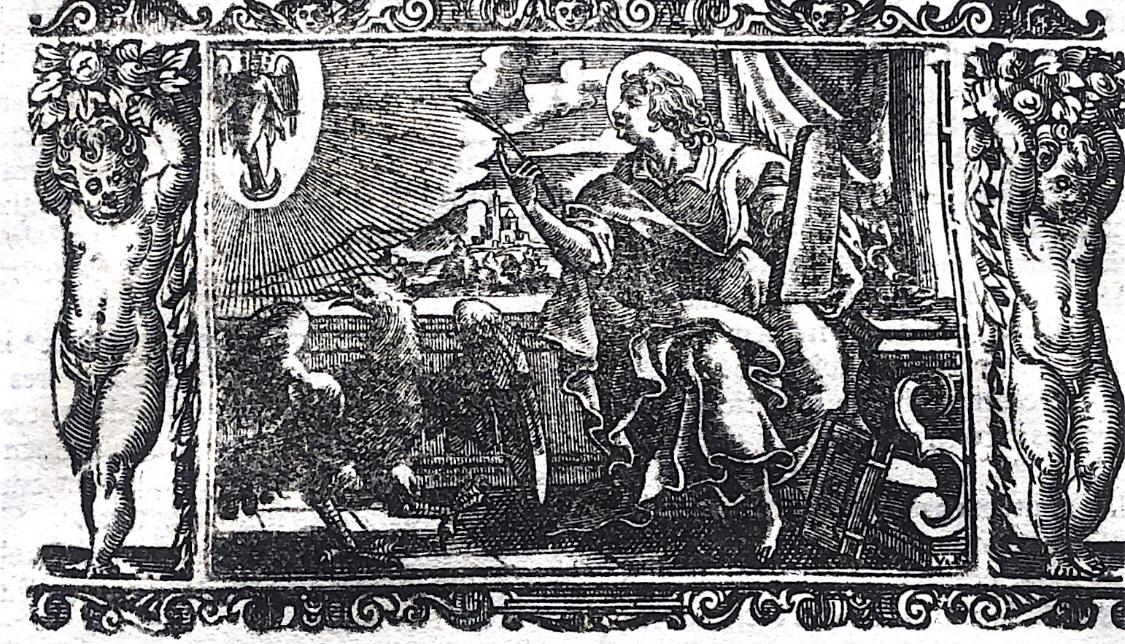
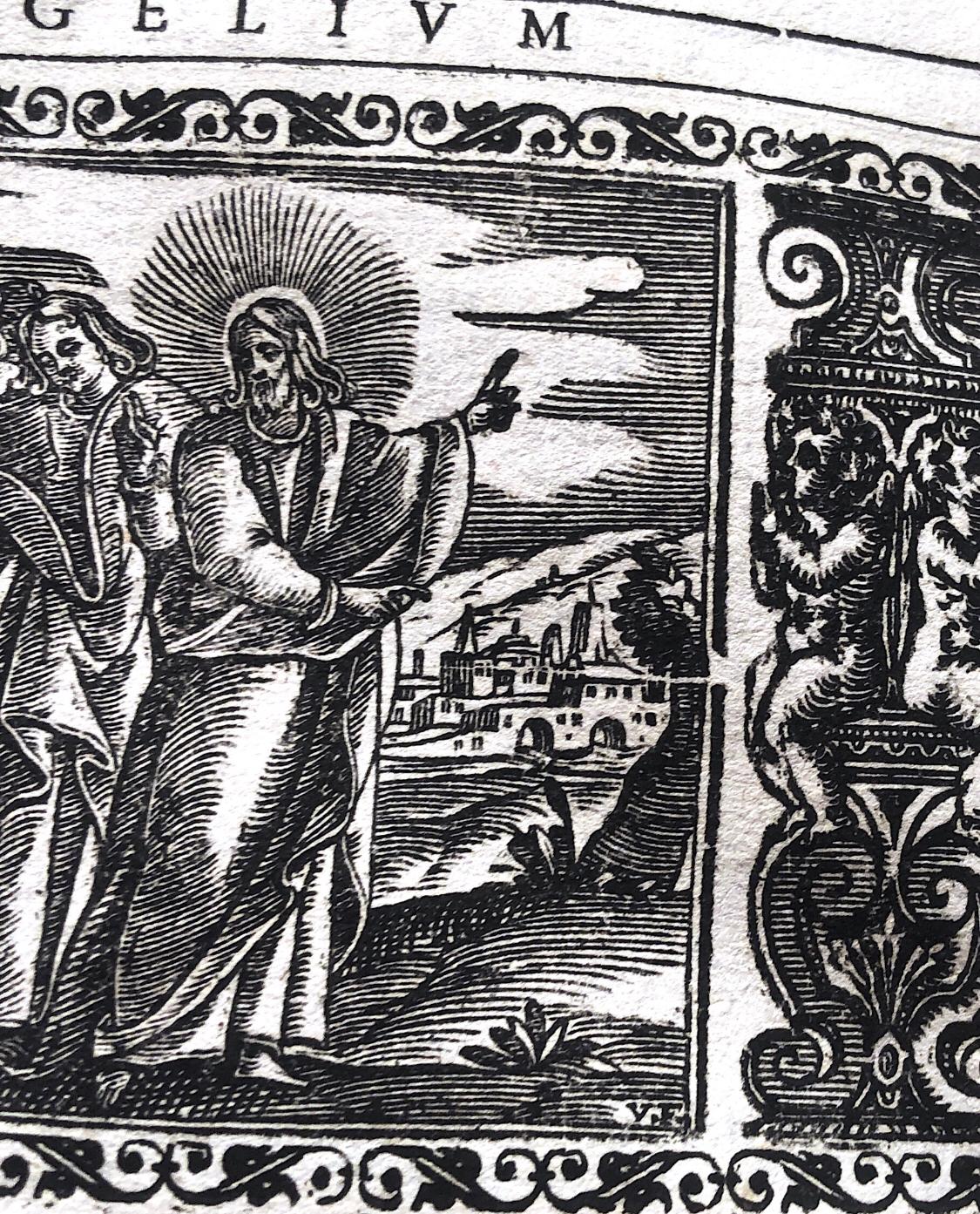
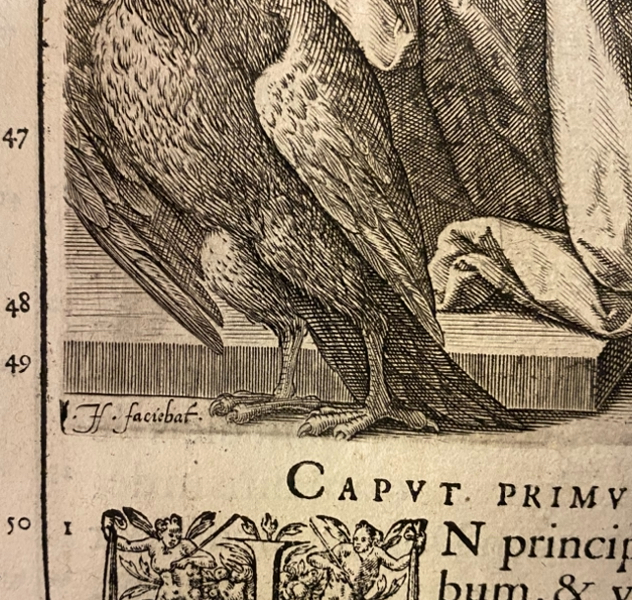
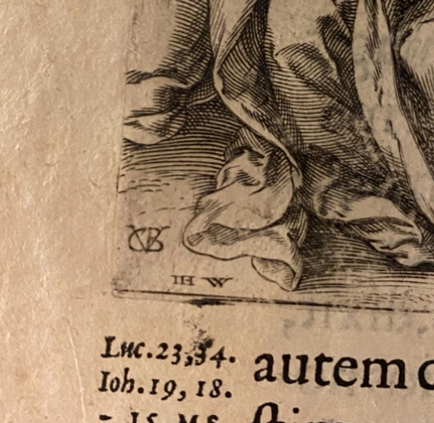
Pezzana’s press specialized in religious texts, so the illustrations in his books reflect a deeply religious character although the engravers’ names are often absent, a common feature across many of Pezzana’s books, including the Bible in our study. This Bible, featuring nearly 100 illustrations, displays diverse artistic styles, suggesting multiple contributors. We performed a careful examination of each image which revealed that some illustrators included their initials in their designs, marking a range of distinct hands.
The Plantin Press, established in 1555 in Antwerp by Christophe Plantin, was one of the most esteemed publishing houses of the Renaissance era and played a seminal role in the advancement of the printing and publishing industries. Christophe Plantin, originally a bookbinder from France, achieved prominence through his meticulous craftsmanship and entrepreneurial spirit. The press gained renown for its production of high-quality works in the fields of theology, classics, and science, with a particular emphasis on Bibles. Its most celebrated achievement was the publication of the Polyglot Bible (1568–1572), also known as the Biblia Regia, a multilingual edition comprising texts in Latin, Greek, Hebrew, and Aramaic.
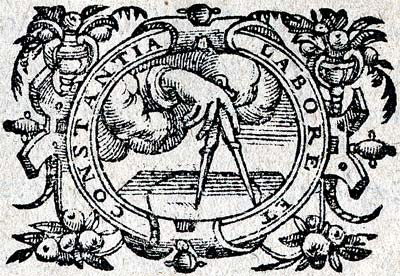
The Plantin Press enjoyed considerable success until the death of Plantin in 1589. Thereafter, his son-in-law, Jan Moretus, assumed control and ensured the continued legacy of the press as the Officina Plantiniana. During Moretus’ management, the press continued to maintain its reputation for excellence, producing works of typographic and intellectual distinction. The printer’s mark, a hand holding a compass encircled by the Latin motto “Labore et Constantia,” translated as “By labor and constancy,” symbolized the dedication to meticulous craftsmanship that characterized the press. In addition to its celebrated religious publications, the press also facilitated the dissemination of seminal works in the realms of medicine, cartography, and the humanities. Despite the waning influence of Antwerp’s economic decline and the emergence of alternative publishing centres, the press continued its operations until the 17th century.
Illustrations
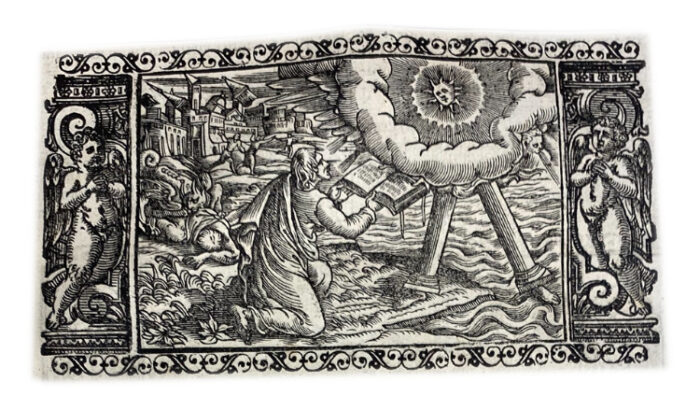
We have chosen an intriguing illustration from the Biblia Sacra Vulgatae Editionis Sixti, which features a captivating woodcut by an anonymous engraver. This particular piece stands out due to a notable error in its assembly. Through our examination alongside another Bible edition and the accompanying Latin text, we identified a “mistake” in the representation. The angel is intended to touch the land with his left foot and the sea with his right; however, in this illustration, the positions are reversed.
Engravers and artists have interpreted the same biblical passages in various ways, reflecting their unique perspectives and cultural backgrounds. One artist might focus on emotional depth, while another emphasizes symbolism. These differences enrich our understanding of the texts and invite viewers to engage with the narratives from multiple angles. Such diversity showcases creativity and sparks meaningful discussions about the themes in scripture.
Here’s different representations of Chapter 10 :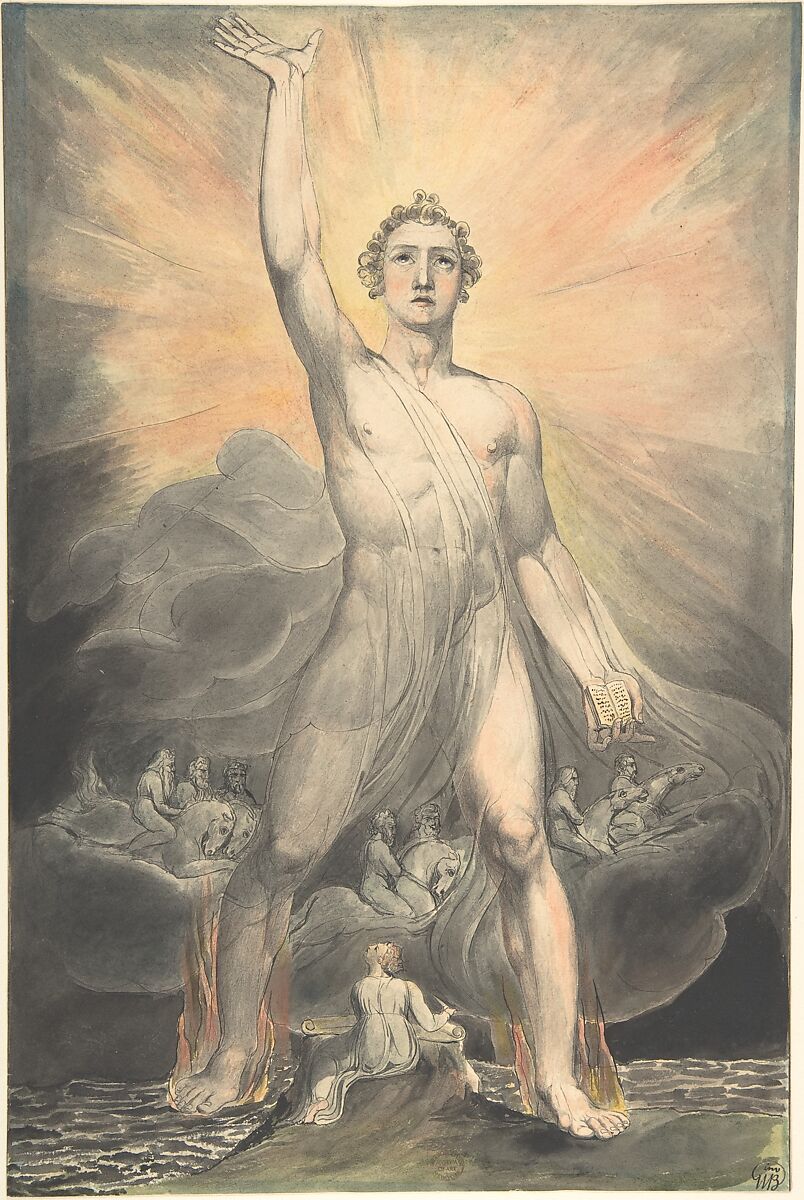
William BLAKE
Angel of the Revelation (Book of Revelation, chapter 10)
ca. 1803–5
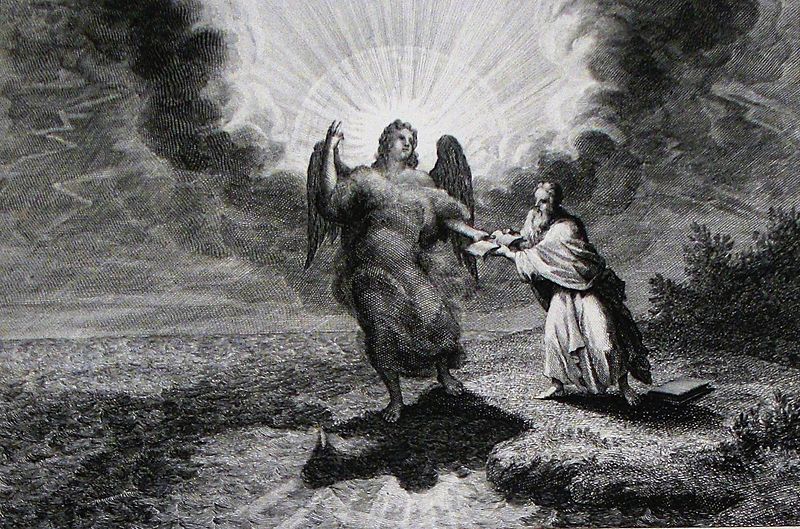
Mortier’s bible
Representation of Chapter 10.
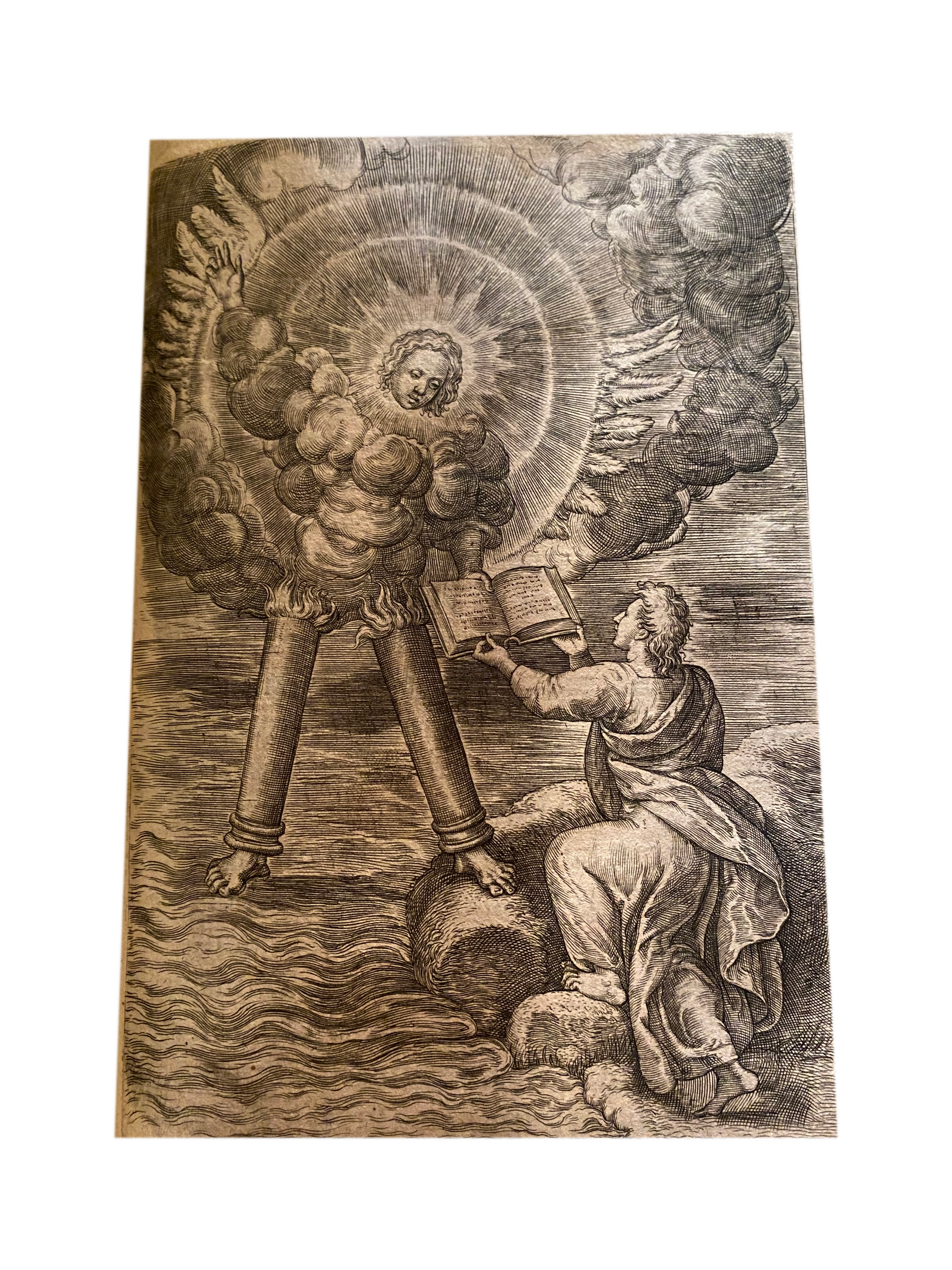
Plantin’s book
Representation of Chapter 10.
Illustrators
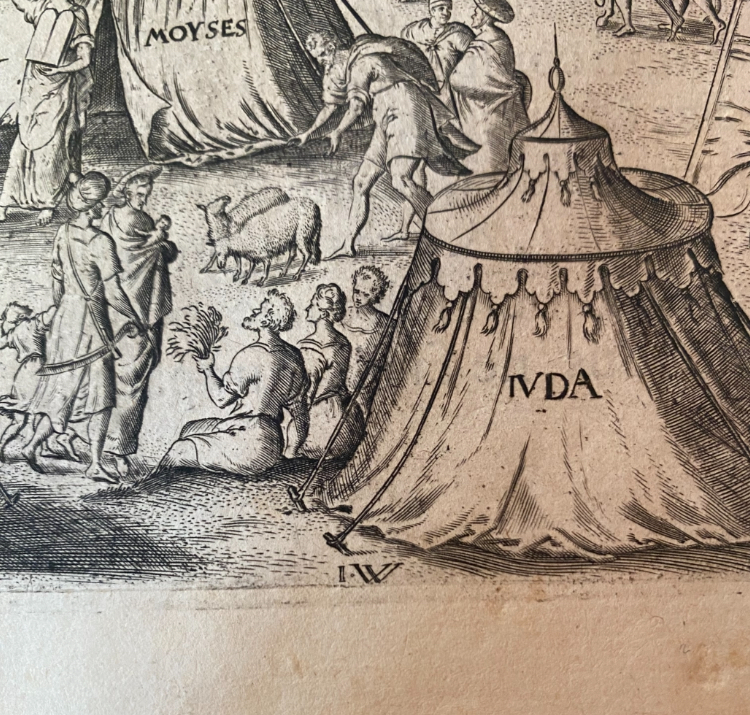
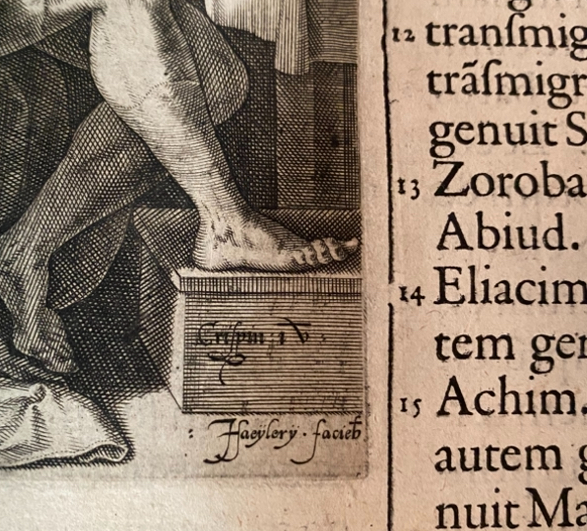
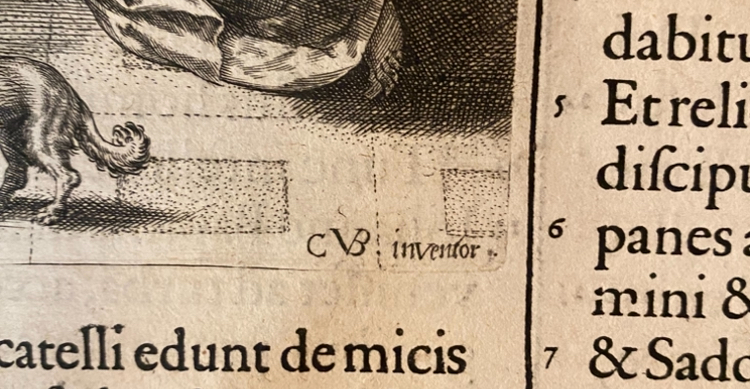
As mentioned earlier, the engravers of the illustrations in Pezzana’s book remain unidentified, despite extensive research. Interestingly, we found numerous initials below the engravings, but no one has been able to link them to specific artists or records. This makes it challenging to determine the identities of the creators of these works.
In contrast, the identification of the engravers in Plantin’s editions has been more successful. This is due to the detailed records from Plantin’s printing workshop, which documented the workers employed each year. By comparing the initials found on many engravings with these records and analyzing the artistic styles of the period, researchers have been able to match numerous illustrations to specific engravers, providing valuable insights into the artistic production of the time. However, the specific image we selected from Chapter 10 does not include any initials, making it impossible to fully attribute this illustration to a particular engraver.
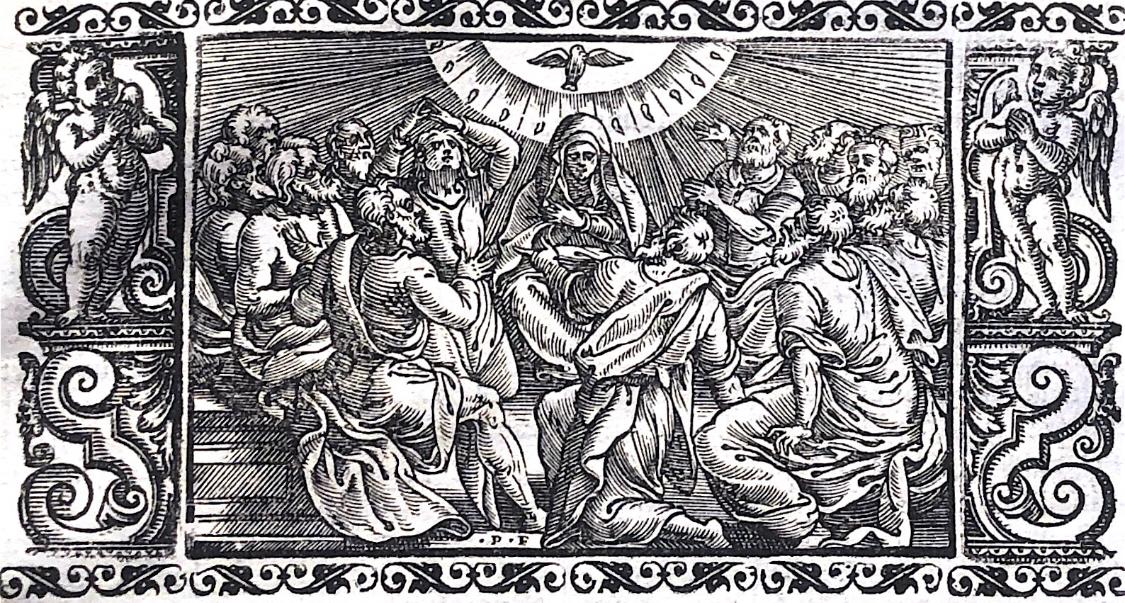 P.F
P.F
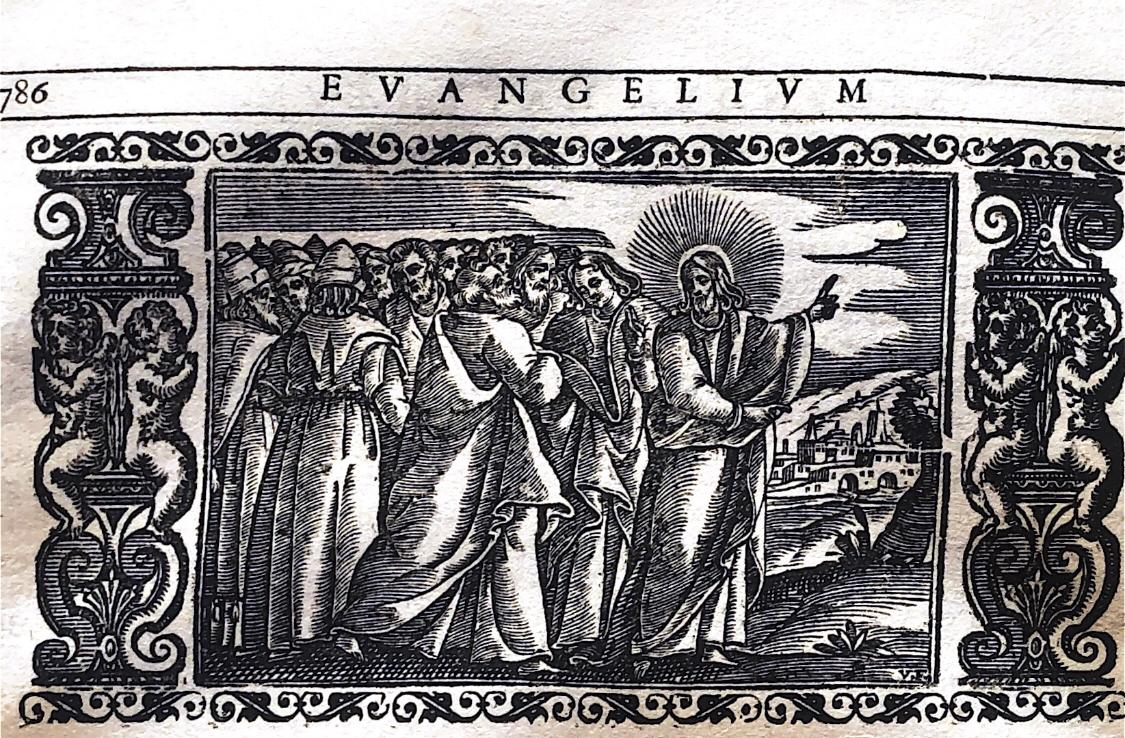
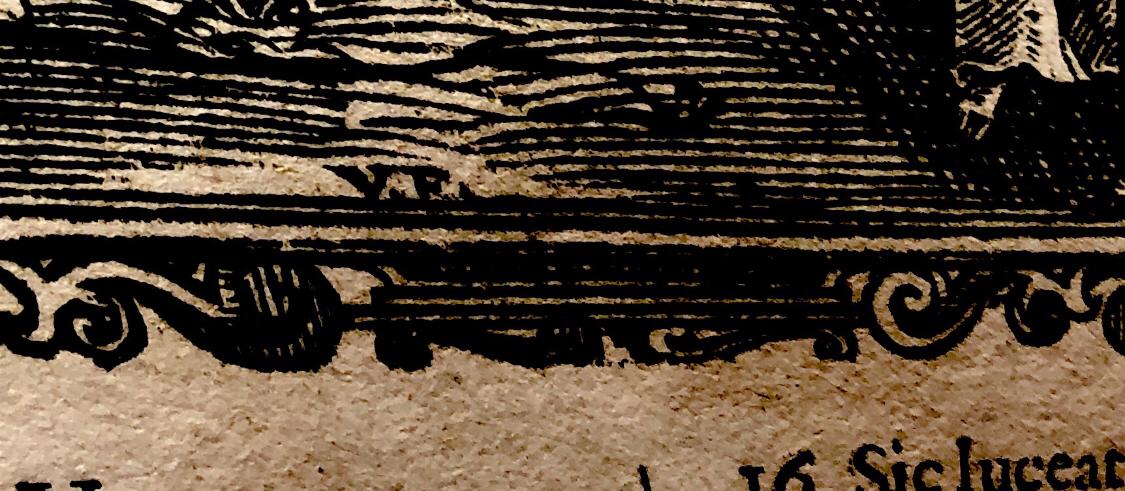
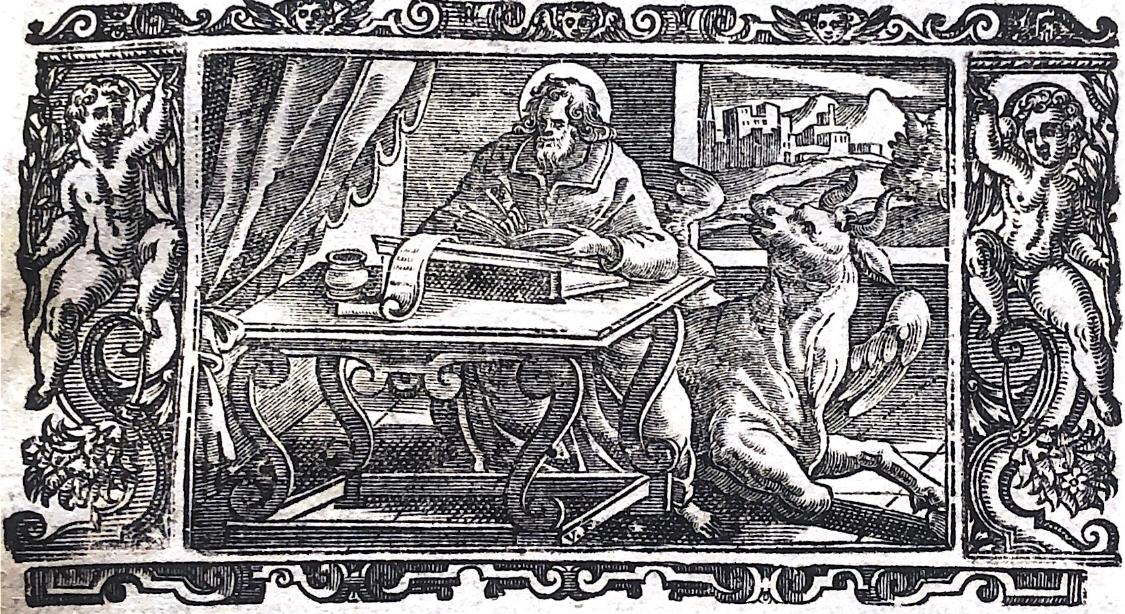
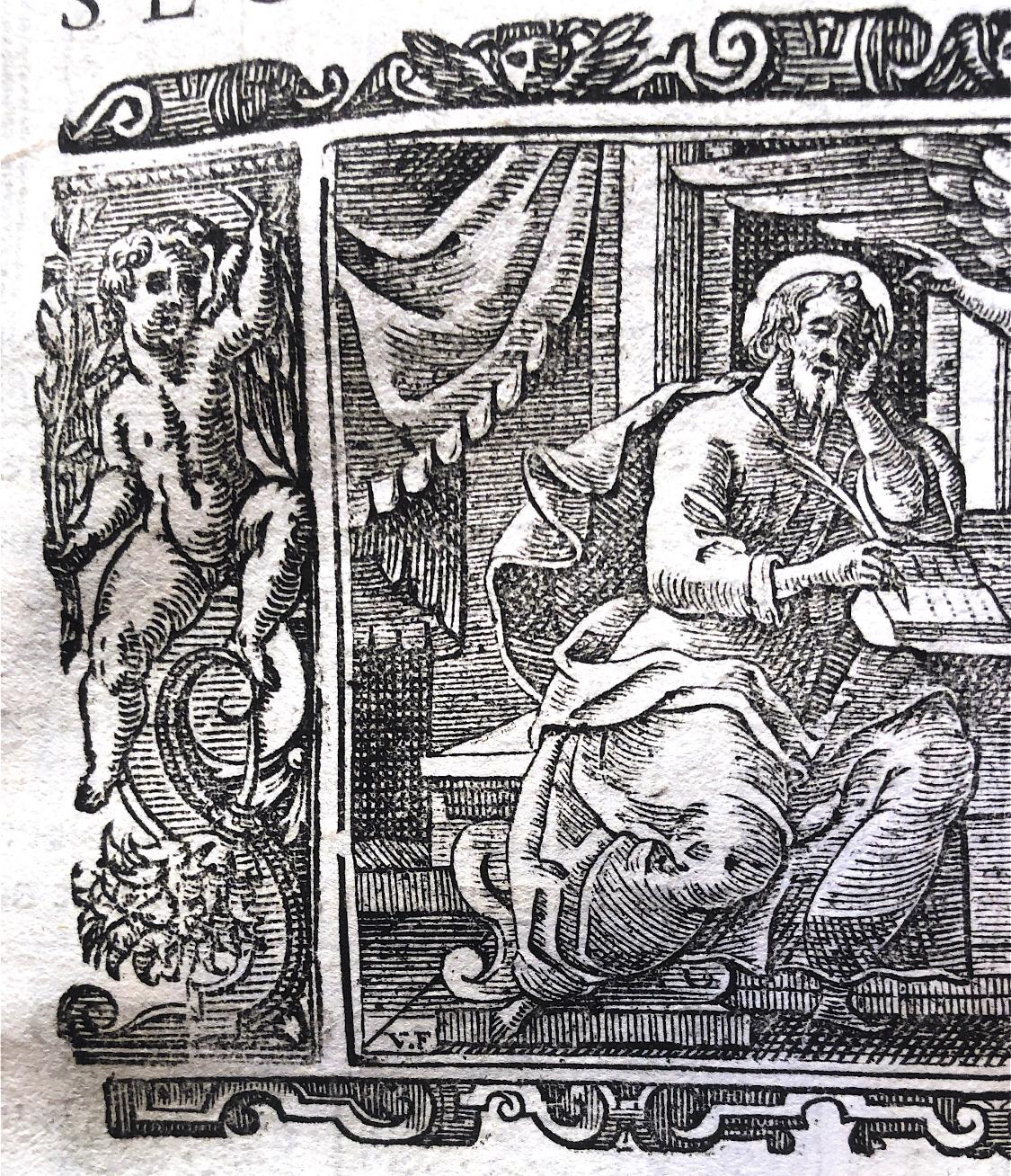
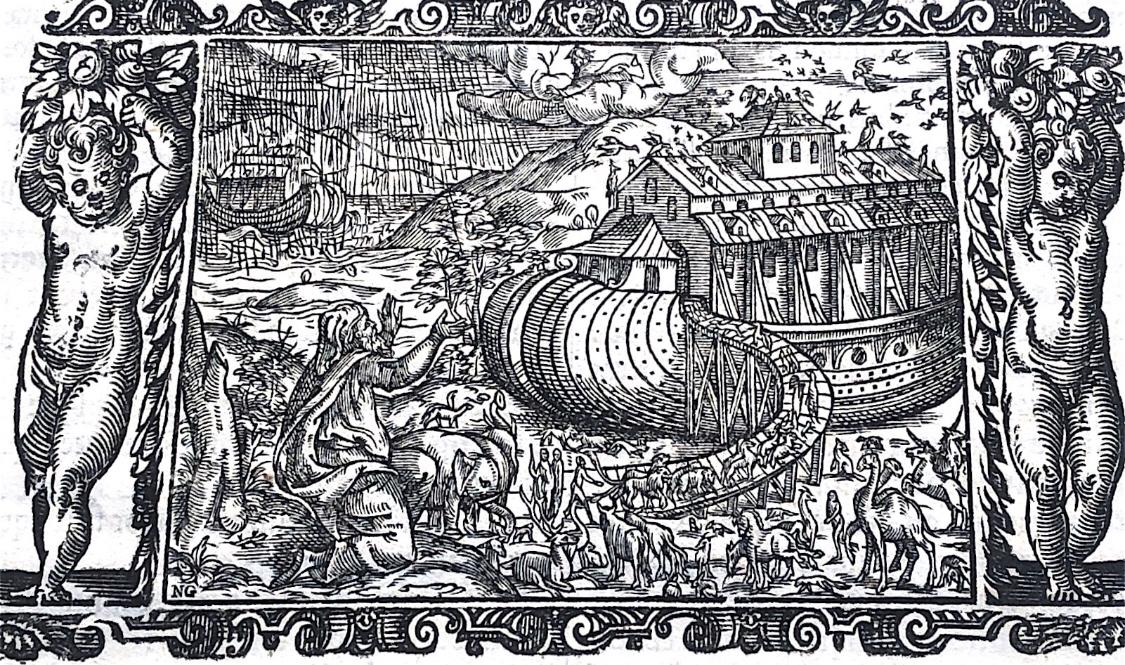
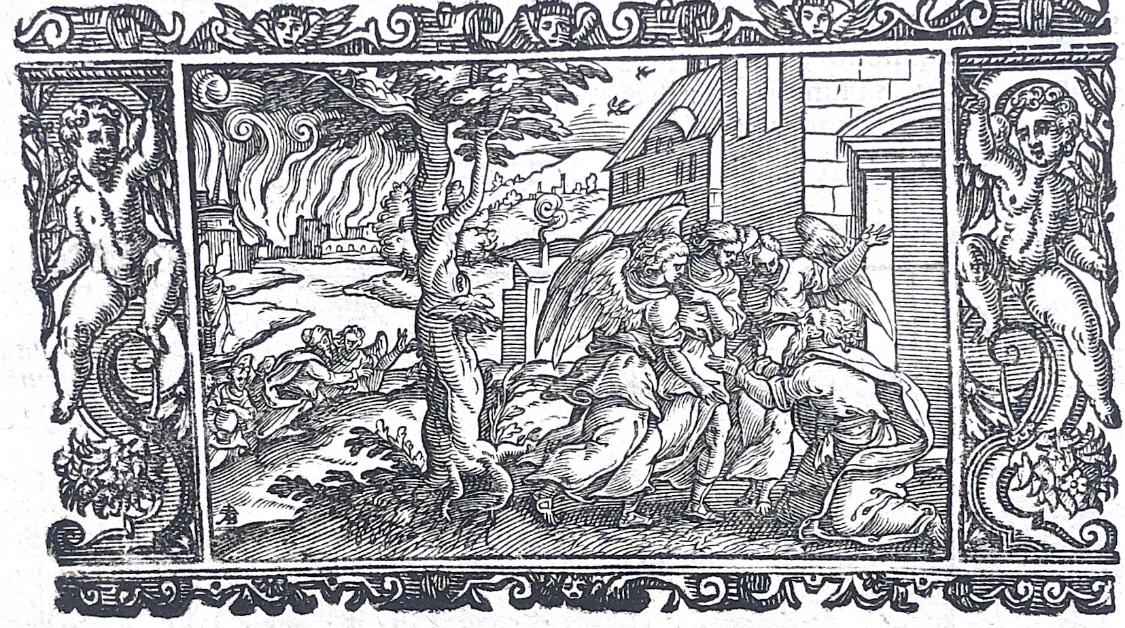
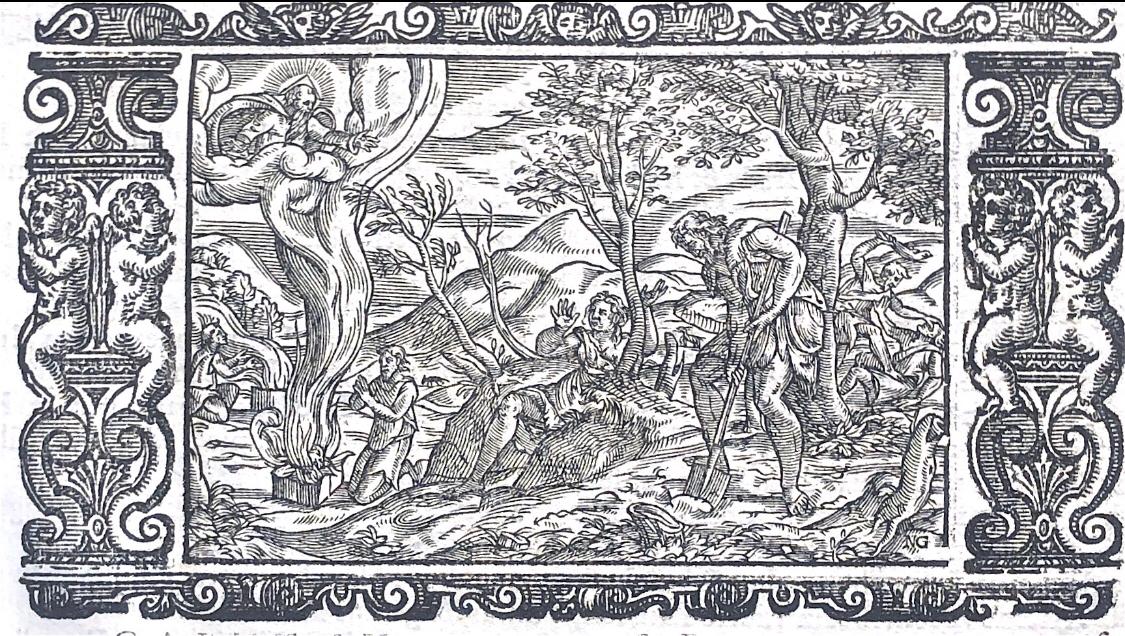
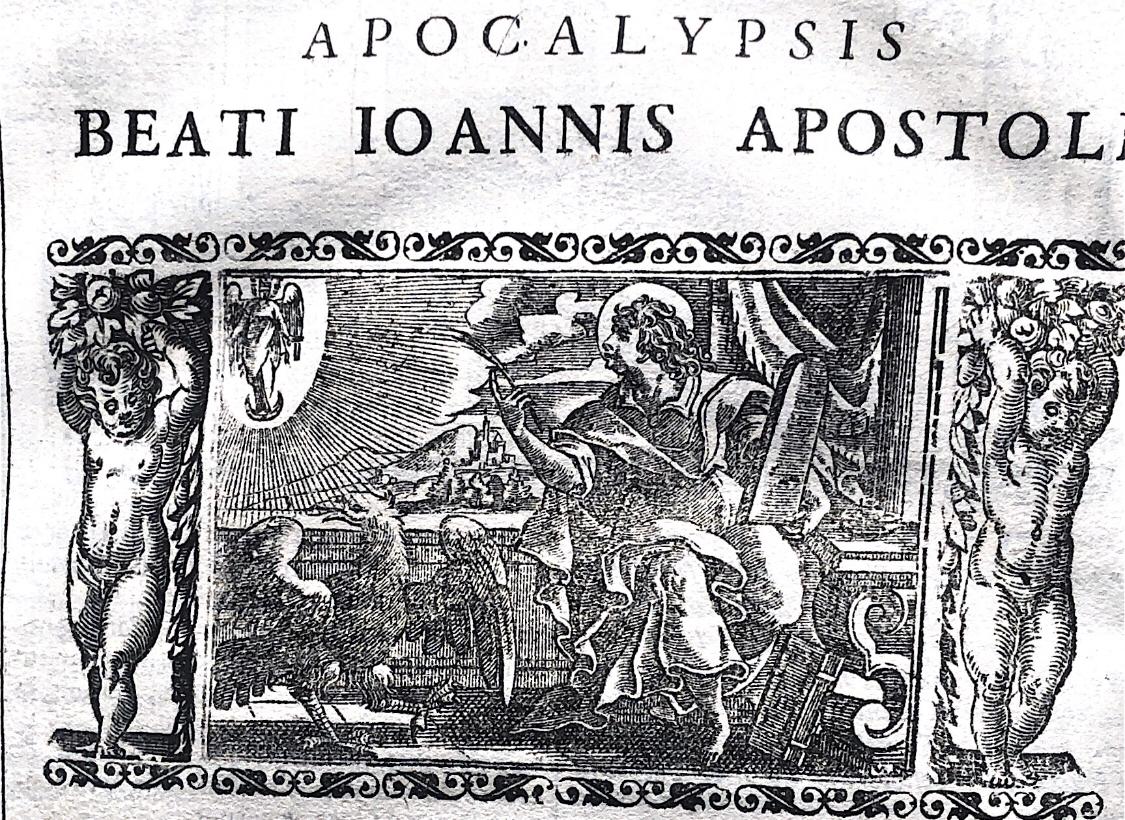
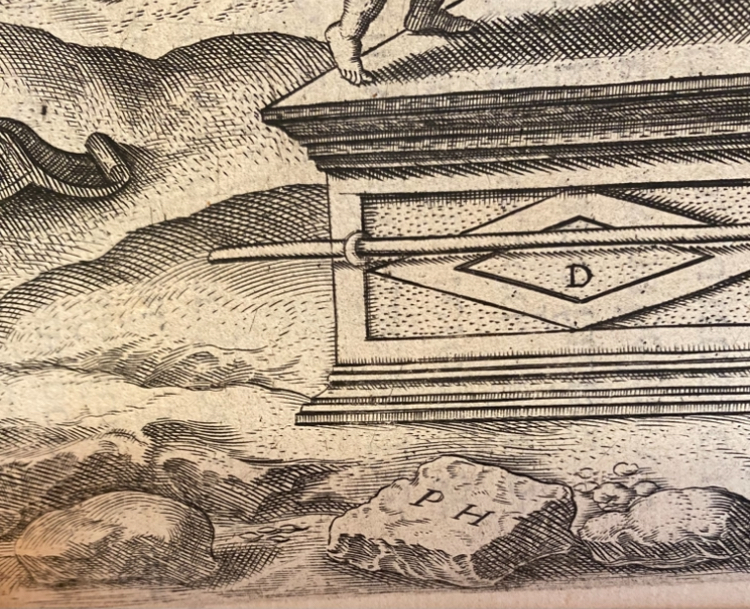
P.H. : Pieter Huys
Translations
Albanian – Apolalipsi 10
1E paçë një tjatër Ëngjëll të fortë, që zbrit nga qielli, e i pështjellë me një mjergullë, e kish mbë kokë të tij një ilibe; e faqea e tij posi dielli, e këmbët’ e tij posi kollona të flakta.
2E kish mbë dorë të tij një kartëzë të hapëtë; e vuri këmbën’ e tij të djathëtënë ndë det, e të mëngjërënë mbë dhe.
3E thirri me zë të madh posi liondari kur thërret, e kur thirri, nxuarrë jashtë zën’ e ture të shtatë gjëmimetë.
4E kur krienë jashtë zën’ e ture të shtatë gjëmimetë, unë rrijë për të shkruarë; e digjova një zë nga qielli që më thosh: Vulos ato që thanë të shtatë gjëmimetë, e mos i shkruaj ato.
5E Ëngjëlli që paçë të qëndruarë mbi det edhe mbi dhe, ngrijti dorën’ e tij ndër qiell.
6E u përgjërua mb’atë që rron ndë jetë pas jetet, që bëri qielltë edhe sa janë mbë të, edhe dhenë edhe sa janë mbë të, edhe detnë edhe sa janë mbë të, që do të mos jetë më kohë.
7Ma ndë ditë të zërit t’ëngjëllit së shtatë, kur do të nisjë t’i bjerë zurnasë, do të teliosetë mistiri i Perndisë, sikundr’ evangjelisi ndë rop të tij ndë profitë.
8E zëri që digjova përsëri nga qielli kuvëndon me mua, e më thosh: Hajde e merr kartëzën’ e hapëtë që është ndë dorë të ëngjëllit që rri mbi det edhe mbi dhe.
9E vajta tek ëngjëlli, e i thaçë atij: Nëmë kartënë. E ai më thotë: Merre, e hae atë; e do të të pikëllojë barkunë tënd, ma ndë gojë tënde do të jetë e ëmblë posi mjaltë.
10E mora kartëzënë nga dor’ e ëngjëllit, e e hangra atë; e qe ndë gojë time e ëmblë posi mjaltë; e kur e hangra atë, m’ u pikëllua barku im.
11E më thotë mua: Duhetë që të profitepç ti përsëri mbë llaora, e mbë filira, e mbë gjuhëra, e mbë shumë mbretër.
Apocalypse 10
10 Je vis un autre ange puissant, qui descendait du ciel, enveloppé d’une nuée; au-dessus de sa tête était l’arc-en-ciel, et son visage était comme le soleil, et ses pieds comme des colonnes de feu.
2 Il tenait dans sa main un petit livre ouvert. Il posa son pied droit sur la mer, et son pied gauche sur la terre;
3 et il cria d’une voix forte, comme rugit un lion. Quand il cria, les sept tonnerres firent entendre leurs voix.
4 Et quand les sept tonnerres eurent fait entendre leurs voix, j’allais écrire; et j’entendis du ciel une voix qui disait: Scelle ce qu’ont dit les sept tonnerres, et ne l’écris pas.
5 Et l’ange, que je voyais debout sur la mer et sur la terre, leva sa main droite vers le ciel,
6 et jura par celui qui vit aux siècles des siècles, qui a créé le ciel et les choses qui y sont, la terre et les choses qui y sont, et la mer et les choses qui y sont, qu’il n’y aurait plus de temps,
7 mais qu’aux jours de la voix du septième ange, quand il sonnerait de la trompette, le mystère de Dieu s’accomplirait, comme il l’a annoncé à ses serviteurs, les prophètes.
8 Et la voix, que j’avais entendue du ciel, me parla de nouveau, et dit: Va, prends le petit livre ouvert dans la main de l’ange qui se tient debout sur la mer et sur la terre.
9 Et j’allai vers l’ange, en lui disant de me donner le petit livre. Et il me dit: Prends-le, et avale-le; il sera amer à tes entrailles, mais dans ta bouche il sera doux comme du miel.
10 Je pris le petit livre de la main de l’ange, et je l’avalai; il fut dans ma bouche doux comme du miel, mais quand je l’eus avalé, mes entrailles furent remplies d’amertume.
11 Puis on me dit: Il faut que tu prophétises de nouveau sur beaucoup de peuples, de nations, de langues, et de rois.
Apocalypse 10
1And I saw another mighty angel come down from heaven, clothed with a cloud, and a rainbow was on his head, and his face was as the sun, and his feet as pillars of fire.
2And he had in his hand a little book open: and he set his right foot upon the sea, and his left foot upon the earth.
3And he cried with a loud voice as when a lion roareth. And when he had cried, seven thunders uttered their voices.
4And when the seven thunders had uttered their voices, I was about to write: and I heard a voice from heaven saying to me: Seal up the things which the seven thunders have spoken; and write them not.
5And the angel, whom I saw standing upon the sea and upon the earth, lifted up his hand to heaven,
6And he swore by him that liveth for ever and ever, who created heaven, and the things which are therein; and the earth, and the things which are in it; and the sea, and the things which are therein: That time shall be no longer.
7But in the days of the voice of the seventh angel, when he shall begin to sound the trumpet, the mystery of God shall be finished, as he hath declared by his servants the prophets.
8And I heard a voice from heaven again speaking to me, and saying: Go, and take the book that is open, from the hand of the angel who standeth upon the sea, and upon the earth.
9And I went to the angel, saying unto him, that he should give me the book. And he said to me: Take the book, and eat it up: and it shall make thy belly bitter, but in thy mouth it shall be sweet as honey.
10And I took the book from the hand of the angel, and ate it up: and it was in my mouth, sweet as honey: and when I had eaten it, my belly was bitter.
11And he said to me: Thou must prophesy again to many nations, and peoples, and tongues, and kings.
Sources
Illustrations :
• First : Biblia Sacra Vulgatae Editionis Sixti, 1688 (This bible was found in the collection of Bibliothèque Grammont at Centre Diocésain in Besançon)
• Second : https://www.metmuseum.org/art/collection/search/340852
• Third : https://commons.wikimedia.org/wiki/File:Apocalypse_13.Revelation_cap_10
• Forth : Biblia Sacra. Quid in hac editione a theologis Lovanien sinus praestitum sit, enrum praefatio indicat, 1583 (This bible was found in the collection of Bibliothèque Grammont at Centre Diocésain in Besançon)
References :
- Albanian Tosk New Testament 1827- https://www.bible.com/bible/1821/REV.10.ALTMK27
- English Translation : https://www.bible.com/bible/55/REV.10.drc1752 (accessed November 2024)
- French Translation – https://www.biblegateway.com/passage/?search=Apocalypse%2010&version=LSG (accessed November 2024)